
Session 1:
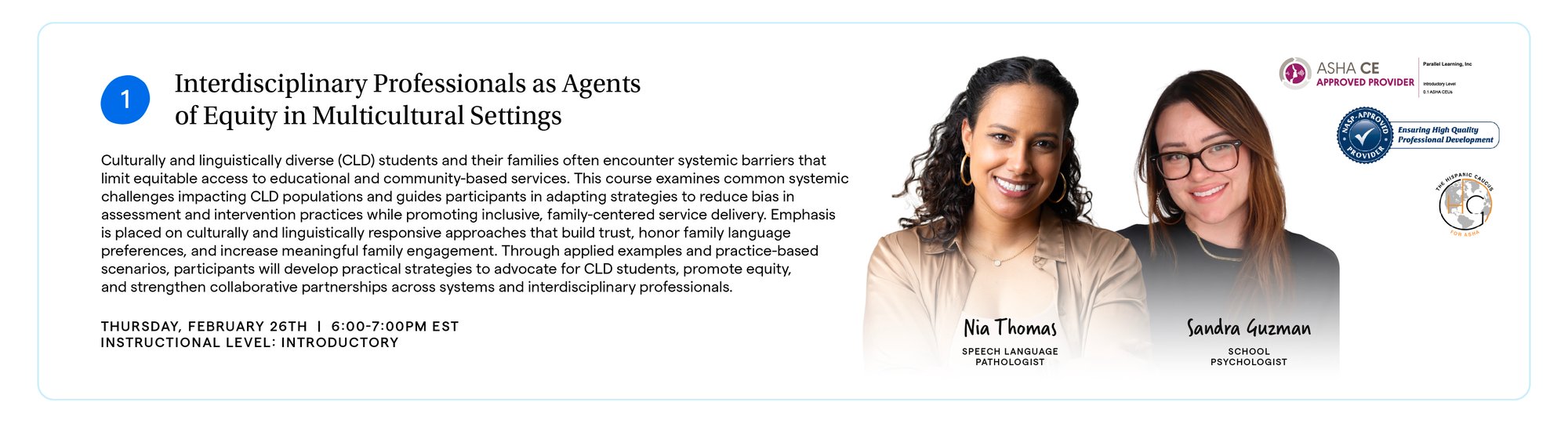
Title: Interdisciplinary Professionals as Agents of Equity in Multicultural Settings
Date: Thursday, February 26th
Time: 6:00–7:00 PM EST
Instructional Level: Introductory
Description: Culturally and linguistically diverse (CLD) students and their families often encounter systemic barriers that limit equitable access to educational and community-based services. This course examines common systemic challenges impacting CLD populations and guides participants in adapting strategies to reduce bias in assessment and intervention practices while promoting inclusive, family-centered service delivery. Emphasis is placed on culturally and linguistically responsive approaches that build trust, honor family language preferences, and increase meaningful family engagement. Through applied examples and practice-based scenarios, participants will develop practical strategies to advocate for CLD students, promote equity, and strengthen collaborative partnerships across systems and interdisciplinary professionals.
Learner Objectives:
-
Identify at least two systemic barriers affecting culturally & linguistically diverse students and their families within schools and community settings and propose one systematic-level solution for each.
-
Describe strategies to reduce bias in assessment and intervention while promoting inclusive service delivery in collaboration with families, educators, and interdisciplinary professionals.
-
Demonstrate at least two family-centered, culturally and linguistically responsive practices that build trust, honor family language preferences, and increase advocacy and engagement.
Time-Ordered Agenda:
0–5 mins: Welcome & Introduction
5–15 mins: Systemic Barriers Affecting CLD Students & Families
15–30 mins: Reducing Bias in Assessment & Intervention
30–45 mins: Family-Centered, Culturally & Linguistically Responsive Practices
45–55 mins: Applied Scenarios & Reflection
55–60 mins: Q & A & Conclusion
Session 2:
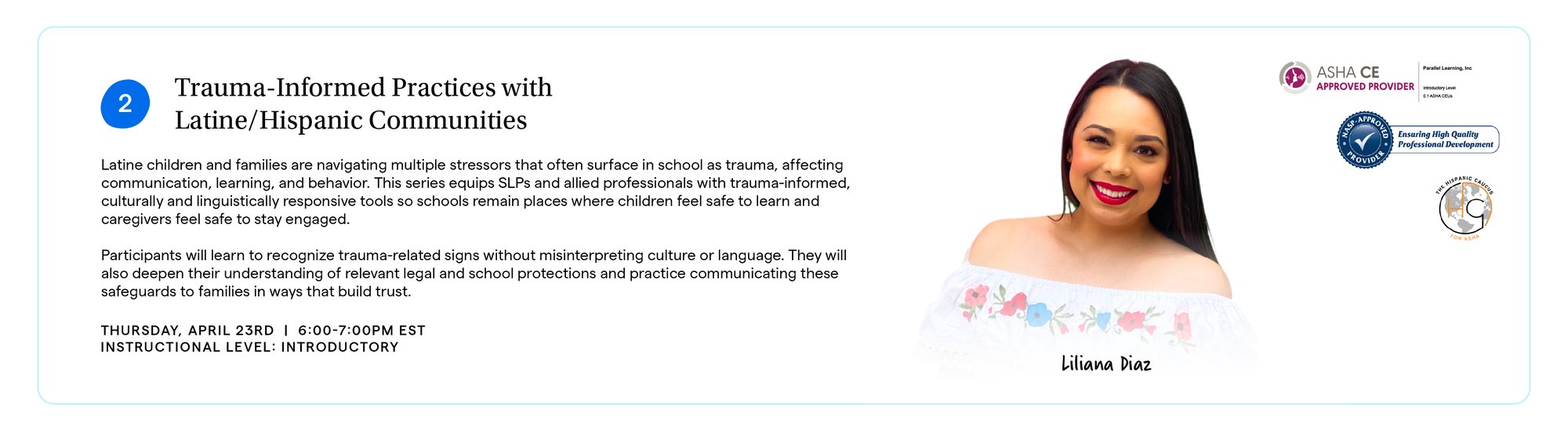
Title: Trauma-Informed Practices with Latine/Hispanic Communities
Date: Thursday, April 23rd
Time: 6:00–7:00 PM EST
Instructional Level: Introductory
Description: Latine children and families are navigating multiple stressors that often surface in school as trauma, affecting communication, learning, and behavior. This series equips SLPs and allied professionals with trauma-informed, culturally and linguistically responsive tools so schools remain places where children feel safe to learn and caregivers feel safe to stay engaged.
Participants will learn to recognize trauma-related signs without misinterpreting culture or language. They will also deepen their understanding of relevant legal and school protections and practice communicating these safeguards to families in ways that build trust.
Objectives:
-
Identify key trauma factors affecting Latine students, distinguish cultural from trauma-related behaviors in team assessment, and equip school staff to advocate effectively for children and families.
-
Demonstrate at least two trauma-informed, culturally and linguistically responsive strategies to support Latine learners in partnership with families, schools, and community organizations.
-
Apply clear, collaborative communication by explaining FERPA/HIPAA in family-friendly language, engaging in safety planning, and connecting families to resources in ways that respect their autonomy while positioning professionals as allies in their children’s well-being.
Time-Ordered Agenda:
0–5 mins: Welcome and Introduction
5–15 mins: Trauma factors affecting Latine students and school-based impact
15–25 mins: Differentiating cultural/linguistic differences from trauma
25–40 mins: Trauma-informed, culturally responsive strategies and family collaboration
40–50 mins: Communicating protections, safety planning, and scenarios
50-60 mins: Conclusion & Q & A
Session 3
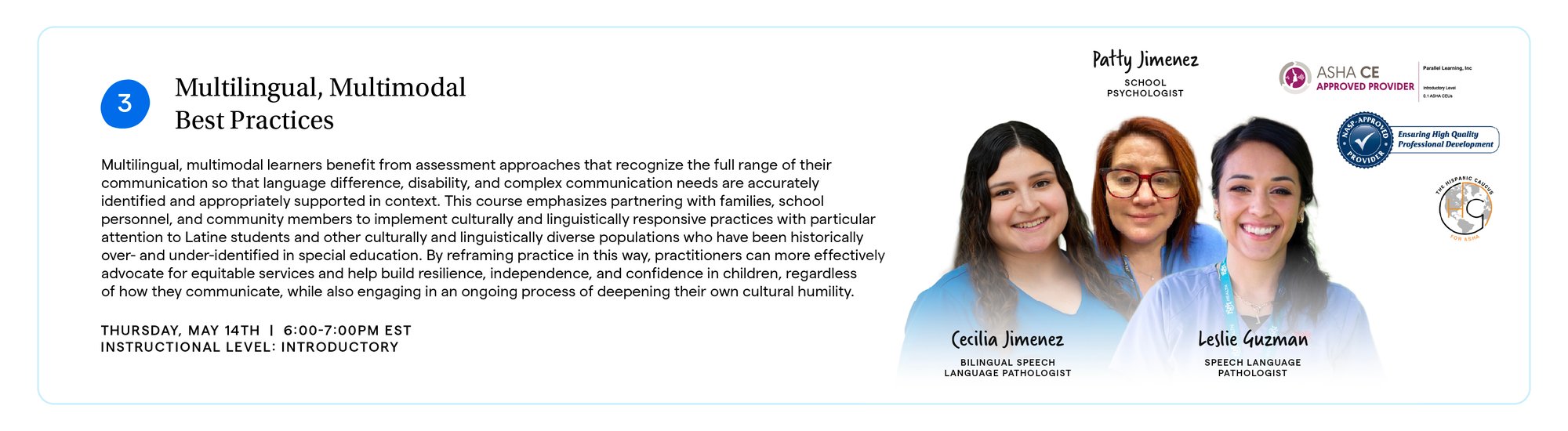
Title: Multilingual, Multimodal Best Practices
Date: Thursday, May 14th
Time: 6:00–7:00 PM EST
Instructional Level: Introductory
Description: Multilingual, multimodal learners benefit from assessment approaches that recognize the full range of their communication so that language difference, disability, and complex communication needs are accurately identified and appropriately supported in context. This course emphasizes partnering with families, school personnel, and community members to implement culturally and linguistically responsive practices with particular attention to Latine students and other culturally and linguistically diverse populations who have been historically over- and under-identified in special education. By reframing practice in this way, practitioners can more effectively advocate for equitable services and help build resilience, independence, and confidence in children, regardless of how they communicate, while also engaging in an ongoing process of deepening their own cultural humility.
Objectives:
-
Identify at least 3 evidence-based strategies to distinguish language difference from language disorder in multilingual and multimodal learners in collaboration with families, educators, and interdisciplinary professionals.
-
Design at least one multimodal, culturally and linguistically responsive intervention plan that integrates home language(s), that can be shared and implemented across disciplines.
-
Apply at least two family-centered strategies that affirm language variation and translanguaging, help families understand the benefits of multimodal communication, and promote equitable outcomes for multilingual learners with complex communication needs in collaboration with educators and interdisciplinary professionals.
Time-Ordered Agenda:
0–5 mins: Welcome and Introduction
5–20 mins: Multilingual and multimodal communication and distinguishing language difference from disorder
20–35 mins: Collaborative, culturally and linguistically responsive assessment and intervention planning
35–50 mins: Family-centered strategies, translanguaging, scenarios, and wrap-up
50–60 mins: Conclusion & Q & A
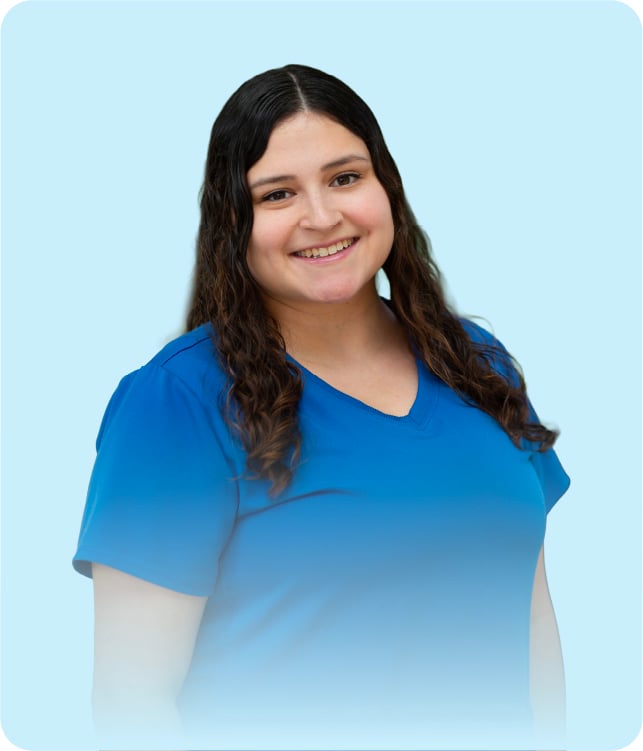
Cecilia Jimenez
Cecilia Jimenez, MA, CCC-SLP, is a Speech-Language Pathologist specializing in medically complex pediatric communication and feeding disorders. She provides culturally responsive, family-centered care and is a strong advocate for Hispanic patients and their families. Fluent in Spanish, Cecilia practices in Maryland, where she leads multiple therapy intensives and serves as her team’s AAC lead. She is committed to addressing the needs of diverse patient populations and actively supports advocacy efforts through her position as Treasurer of the ASHA Hispanic Caucus.
SPEAKER DISCLOSURES:
Financial: Cecilia Jimenez, MA, CCC-SLP is receiving an honorarium from Parallel Learning for this presentation.
Non-Financial: Cecilia serves as Treasurer of the Hispanic Caucus for ASHA.
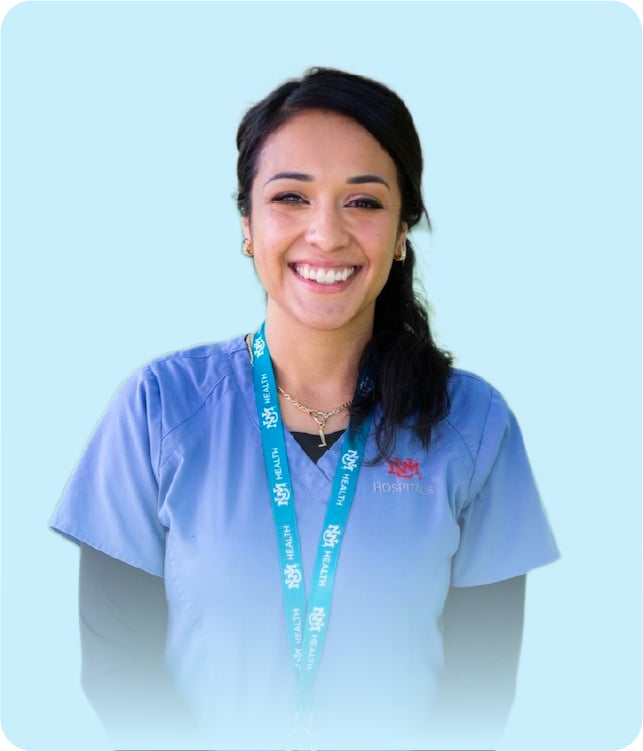
Leslie Guzman
Leslie Guzman, MA, CCC-SLP, LSLS cert. AVT is a bilingual (Spanish–English) pediatric speech-language pathologist and Listening and Spoken Language Specialist (LSLS Cert. AVT) at the University of New Mexico Hospital (UNMH) Cochlear Implant Team, where she has worked with children who are Deaf or Hard of Hearing (D/HH) since 2016. She has over 10 years of experience serving children with cleft lip/palate and craniofacial differences and has held roles with the NMSU Cleft Lip and Palate Clinic, the New Mexico Cleft Palate Center, and the UNMH Cleft and Craniofacial Team. Her clinical work centers on culturally and linguistically diverse children and their families, multilingual and multimodal communicators with complex communication needs, and she currently serves as Vice President for Professional Practice for the ASHA Hispanic Caucus.
SPEAKER DISCLOSURES:
Financial: Leslie Guzman, MA, CCC-SLP, LSLS cert. AVT will receive an honorarium for this workshop from Parallel Learning. Leslie Guzman is an employee at the University of New Mexico Hospital.
Non-Financial: Leslie serves as Vice-President of the Hispanic Caucus for ASHA.
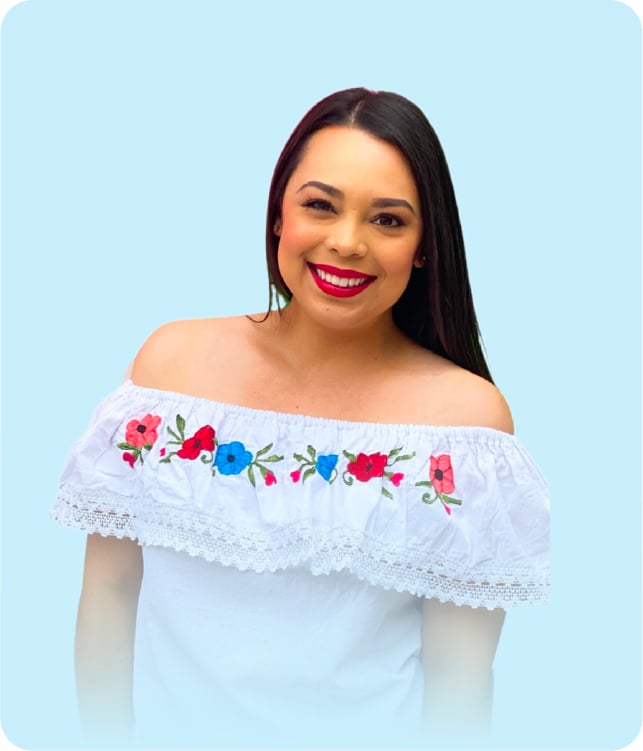
Liliana Diaz-Vazquez
Liliana Diaz-Vazquez M.S.,CCC-SLP/L is a certified bilingual speech-language pathologist practicing in Chicago, Illinois. Liliana is a first-generation Mexican-American and full-time school-based SLP specializing in AAC and bilingual language development. As a bilingual parent and small business owner, Liliana founded Bilingual Speechie LLC to address the critical shortage of diverse, culturally appropriate resources. Today, she is on a mission to expand her business so that all SLPs, educators, and families can access inclusive, diverse, and bilingual resources in a variety of languages to better support children with communication disorders.
SPEAKER DISCLOSURES:
Financial: Liliana Diaz-Vazquez M.S., CCC-SLP/L is receiving an honorarium from Parallel Learning for this presentation.
She is the owner of Bilingual Speechie LLC and receives income from the sale of bilingual resources and digital activities mentioned or featured in this presentation.
Non-Financial: Liliana has no other relevant non-financial relationships to disclose.
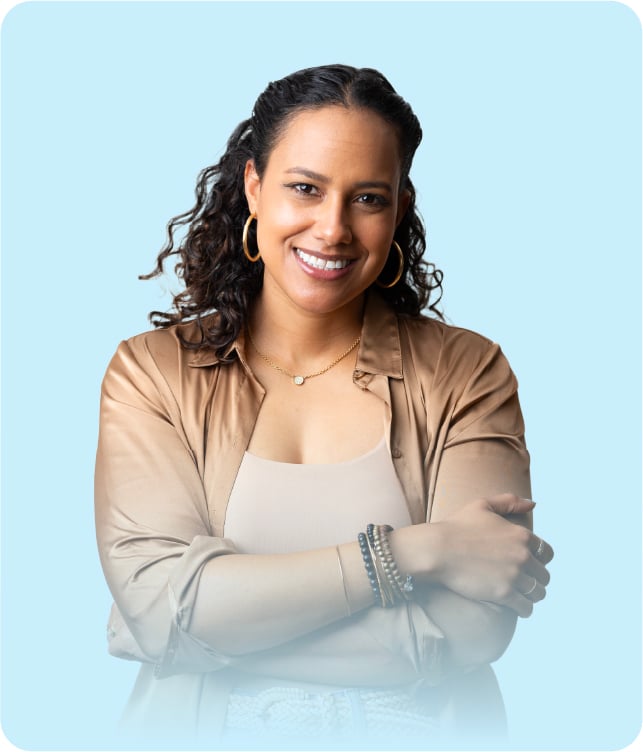
Nia Thomas
Nia Thomas M.S., CCC-SLP, TSSLD is a NYC-based bilingual speech-language pathologist, educator, and storyteller. She holds degrees from SUNY New Paltz (BA in Communication Disorders and Black Studies) and Teachers College, Columbia University (MS). Nia founded Bilingual Speech Resources and has written for Bustle and ASHA Leader Live. She has led professional development nationally—including workshops in West Virginia, Wisconsin, and California—and internationally with Speech and Hearing BC. Her sessions address cultural and linguistic diversity, dynamic assessment, equity, and decolonizing education. Previously, she served as an instructor at TC's Bilingual Institute and Executive Director at STEM Educational Institute. Find her @bilingualspeechresources
SPEAKER DISCLOSURES:
Financial: Nia Thomas M.S., CCC-SLP, TSSLD will receive an honorarium for this workshop and receives a salary from the Department of Education.
Non-Financial: Nia has no other relevant non-financial relationships to disclose.
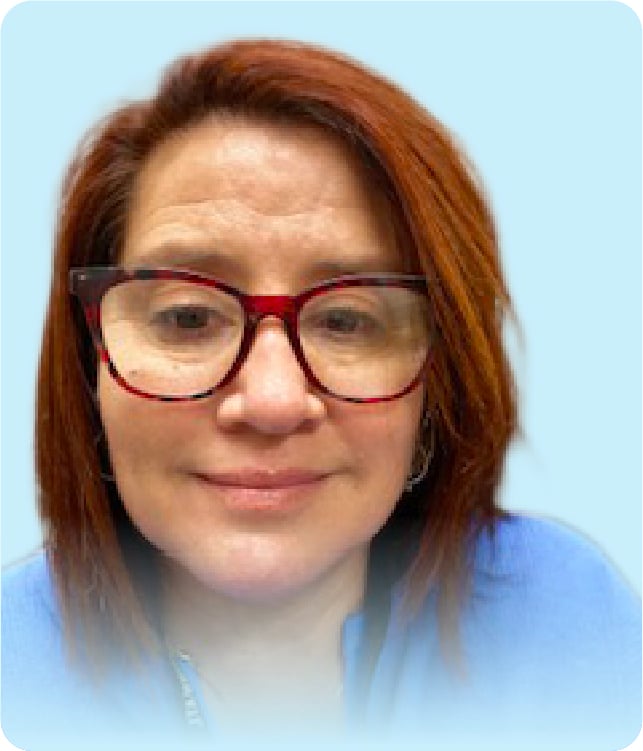
Patricia D. Jimenez
Patricia D. Jimenez, M. Ed. currently serves as an ESL Support Specialist for the Hamilton County Educational Service Center. Through this and other roles, she has been part of the Cincinnati Public School District Office of Second Language Acquisition supporting diverse language learners for more than 17 years. She received her M.Ed. in School Psychology from the University of Cincinnati. Patty was an ESL student herself, as she arrived in the USA from Peru at the age of 13. She uses her personal insights and professional experience to support ESL students, families and other educators, as well as the greater community at large. She works closely with the district’s Culturally Responsive Schools Psychologists, has served as a Parent Community Liaison, Interpreter, and Special Education Team member across many public and non-public schools throughout Cincinnati. Patty is highly regarded and a valued member of any team she works with.
SPEAKER DISCLOSURES:
Financial: Patricia D. Jimenez, M. Ed. is receiving an honorarium from Parallel Learning for this presentation.
Non-Financial: Patty has no other relevant non-financial relationships to disclose.
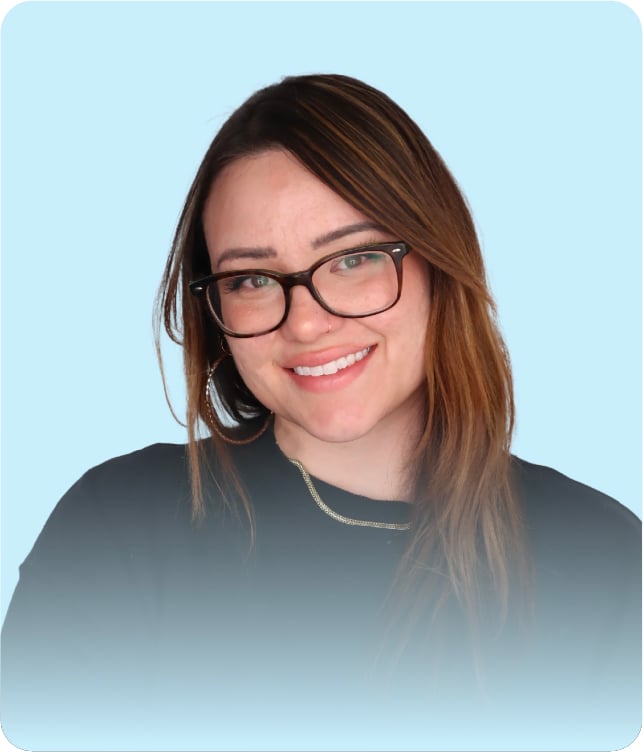
Sandra Guzmán
Sandra Guzmán, Ph.D. is a bicultural Latina from the border of Texas and Chihuahua. She completed the doctoral program in School Psychology at New Mexico State University (APA-approved). She is currently working as an adjunct professor and a licensed school psychologist in rural New Mexico. She has practiced in Texas, New Mexico, California, and Colorado. Her clinical experience includes providing narrative and trauma-informed therapy and consultation to children and adolescents and their families in residential treatment centers, alternative education settings, and public schools. Additionally, she is passionate about supporting Spanish-speaking children and their families through bilingual therapeutic services and special education assessments. Her dissertation and research interests center around Latina youth involved in the juvenile justice system, analyzing referral patterns and the role of exclusionary discipline practices in schools. Sandra completed her predoctoral training at the Santa Barbara School Psychology Internship Consortium (SB-PIC). Sandra is committed to becoming a Licensed Child Psychologist and increasing equitable access to psychological services in rural areas for children and adolescents. During her free time, she enjoys watching her daughter play sports and spending time outdoors with her family and dogs.
SPEAKER DISCLOSURES:
Financial: Sandra Guzman, Ph.D. is receiving an honorarium from Parallel Learning for this presentation.
Non-Financial: Sandra has no other relevant non-financial relationships to disclose.
All eligible attendees wishing to receive ASHA CEUs or NASP Continuing Professional Development Credit must attend each session separately, be present for the entire live webinar and complete a post-webinar survey for each session.
In order to receive a certificate of completion and/or be reported to ASHA for CEUs, learners will be expected to:
-
Attend the entire live webinar
-
Attendance will be tracked through Zoom reports
-
Be sure to join with the email address attached to your registration
-
No partial credit will be awarded
-
Complete and submit a self-assessment evaluation within 3 business days
If you would benefit from accommodations for participation, please contact us at support@parallellearning.com by 2/26/26, at least 3 days before the first live webinar.
Parallel Learning strives to provide evidence-based content for its participants. Should a participant have concerns with the quality or content of a course, please contact. All complaints need to be provided in writing and will be addressed in 30 days.